Our experimental environmental project — a basic guide to GutterGrowing for beginners.
Perhaps it's best to begin this guide by saying that GutterGrowing is not new or unusual. Many types of fruit and veg are grown in large automated commercial vertical growing systems using big metal industrial-size gutters.
The GutterGrow project (kindly funded by EEDA and the RSA) was an R&D project looking at taking the ideas from the commercial growers and then scaling them down to make smaller low cost GutterGrowing systems that anyone could construct and use. In particular it was important that the systems could be used in urban areas where many people do not have access to gardens or allotments.
The Design Principles
- Basic system had to be made of low cost, readily available materials (£30 or less)
- Unit should be of a shape and size to enable protection from birds, pests and other undesirables
- System should facilitate automated irrigation, plant nutrition and plant care (if required)
- System should be of a size and scale capable of indoor and outdoor operation
- KISS — Where ever possible: Keep it Super Simple, Keep it Small but Scaleable
All the ideas and information (excluding software) presented in this guide are available to use and develop. In return we would be grateful for any new and interesting material readers would like to add — please send contributions to guide@sustainable-opportunities.com.
Why GutterGrow?
1. Good for the environment — plants improve our environment, flowers brighten our lives, fresh locally grown produce encourages healthy eating. Plants help reduce CO2 build-up. Just think what millions of small growing systems in urban areas could do!
2. Good for people — GutterGrowing is easy to do, low cost and can be done anywhere — no need for a garden or allotment. It provides participants with a long-term interest and activity keeping minds and bodies stimulated and healthy.
3. Good for society — indications of environmental benefits, economic benefits (reduced health and care costs) and social benefits (an easily accessible activity with an unusual area of common ground for young and old to interact).
4. Good for education — GutterGrowing can provide an affordable, accessible and easy-to-use educational tool demonstrating important aspects of food production.
Why Gutters?
Plastic guttering (the type you use around the house) is relatively low cost and if you stick a few lengths onto some bricks or a frame and fill the gutters with compost you have your first basic GutterGrowing system.
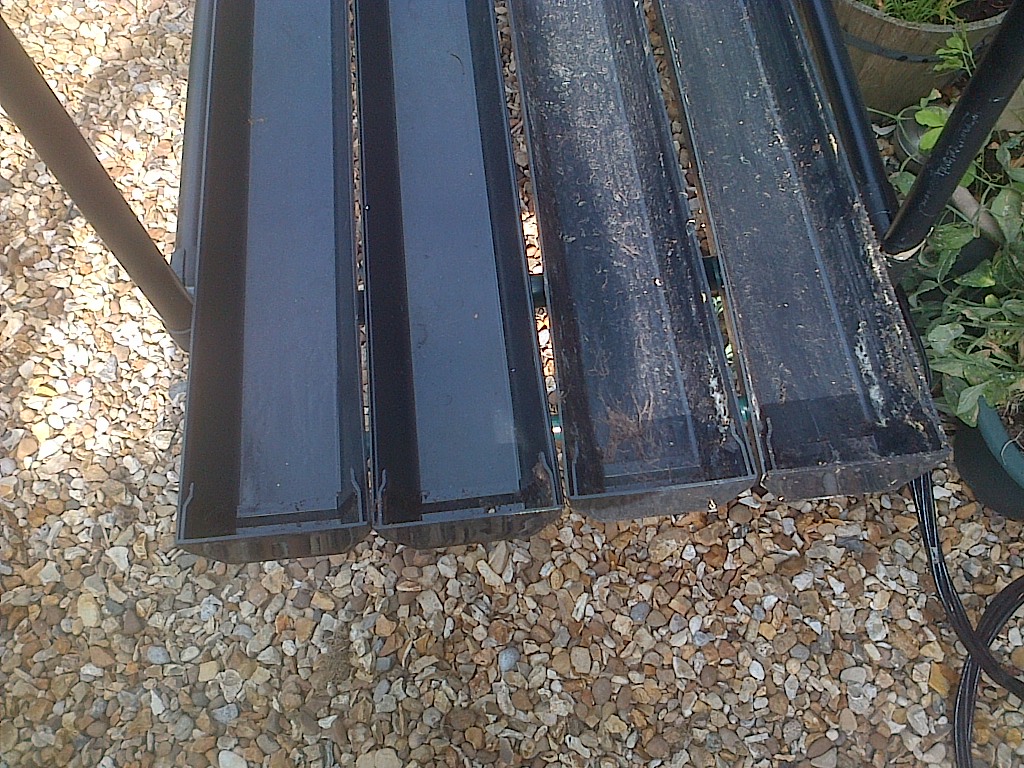
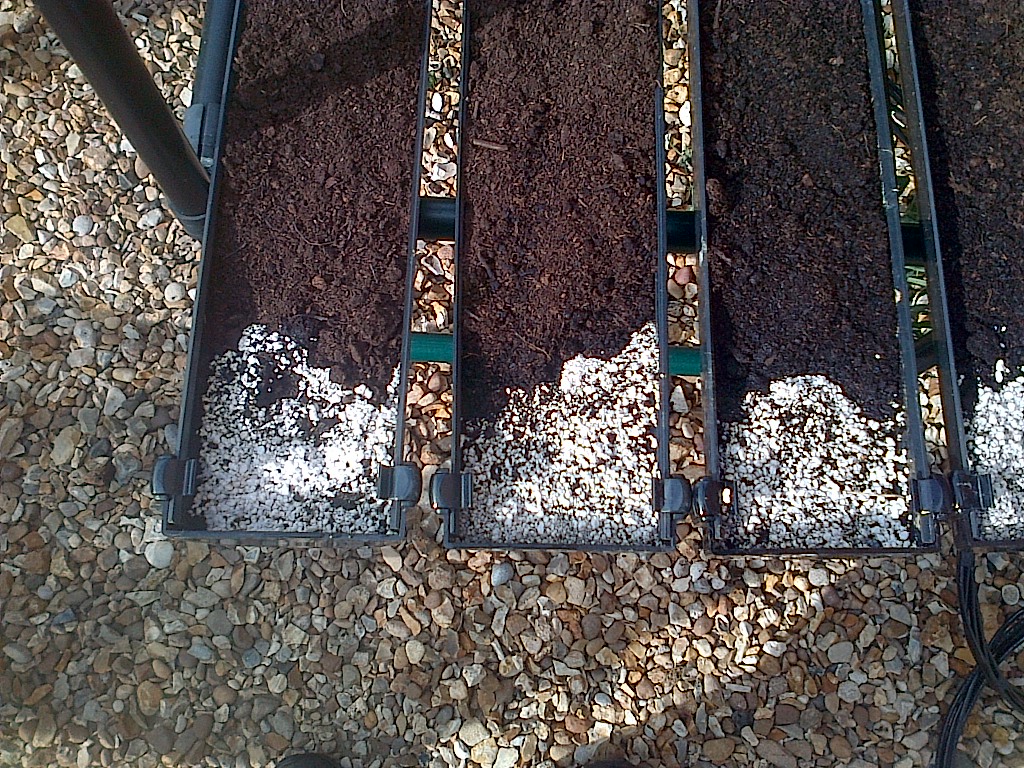
It's really low cost (just a few pounds), easy to construct, and you can put it up anywhere — back yard, bedroom, follow the sun. Easy to take down, reconfigure, or move.
How Much?
If you have some old gutters — nothing. Or to buy: around £10 for 3m — end fittings £5 — old shelving £5 — compost £5. Your own starter growing system for £30 or less.
Food and Water
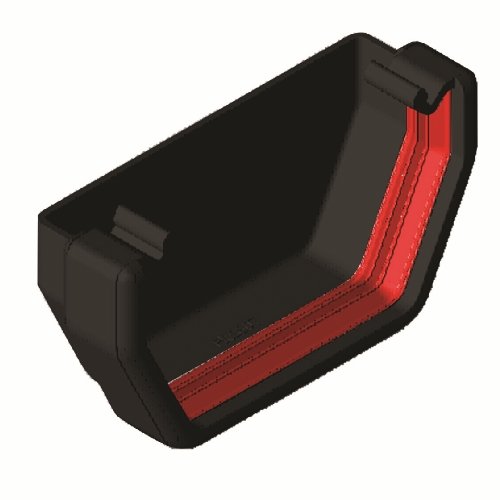
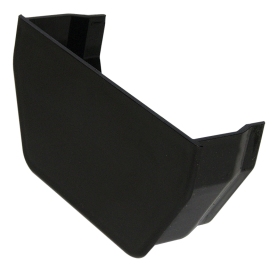
Household guttering comes with two types of end fitting. One is a sealed end fitting which lets you introduce liquid into the gutter, and the other is a push-fit fitting which allows liquid to escape — this is just what we need!
Drilling Holes?
Automation
A basic low cost GutterGrowing system will provide a wonderfully interesting growing/gardening experience provided you look after the plants as they grow. In later parts of this guide we explain how you can automate stages of the process and even get your plants to send you a text message if they're in distress!
What Can I Grow?
Most flowers and vegetables can be grown but tall varieties and plants requiring depth of soil are more problematical. With a bit of experimentation you will find the varieties that suit you best.
Important Warning: It is illegal to grow some types of plant in some countries. You have been warned — check before growing!